|
| |
| |
| | |
| Dearest Visionary... 💫
Welcome back to our weekly edition of Friday Field Notes.
This week inside our Doctor of Holistic Nutrition program, we explore a concept that was once woven into daily life yet has largely been forgotten in the modern world: Seasonal Eating. 🌿☀️
Long before grocery stores offered strawberries in January and pumpkins in July, humans ate in rhythm with the land. The sun guided mealtimes. The seasons determined ingredients. Entire cultures adapted their nourishment, rituals, and food preservation practices to the natural cycles unfolding around them.
Each season brings its own harvest. ✨
Spring delivers bitter greens. Summer brings cooling fruits and vibrant produce. Autumn offers grounding roots and harvest foods. Winter calls for warming meals and nutrient-dense nourishment.
This wasn't simply tradition—it was biological intelligence.
Seasonal eating supports hydration, digestion, immunity, energy, and resilience by providing the foods most aligned with the body's changing needs throughout the year.
While modern life may blur these cycles, they haven't disappeared. They're waiting to be remembered—in farmers markets, backyard gardens, kitchen windowsills, and the everyday choices we make at the table.
Read on to explore how eating with the seasons can help restore a deeper connection to both nourishment and nature. 👇 |
| | | |
| | |
| ☀️ Summer Eating — Get Ready!
As temperatures rise, the body naturally shifts its priorities toward hydration, fluid balance, and staying cool.
- Hydrating Foods — Cucumbers, watermelon, tomatoes, and melons naturally support hydration and mineral balance.
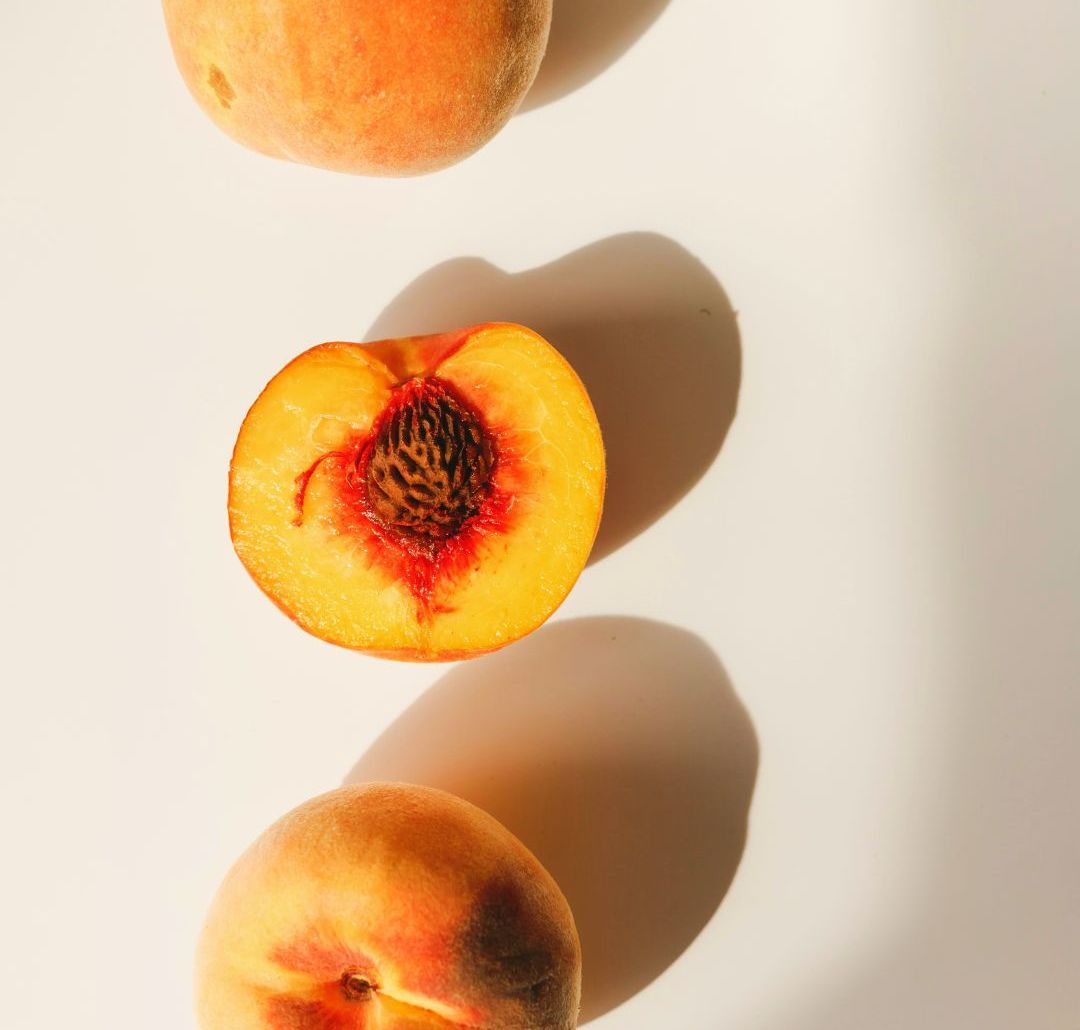
- Fresh Seasonal Fruits — Berries, peaches, cherries, and other summer fruits provide antioxidants, enzymes, and quick natural energy.
- Raw Preparations — Salads, fresh salsas, and cold soups help preserve delicate nutrients while keeping meals light and refreshing.
- Cooling Herbs — Mint, basil, cilantro, and other fresh herbs add flavor while traditionally supporting the body's cooling response. 🪴
- Lighter Proteins — Fish, eggs, and modest portions of poultry pair naturally with summer produce and warmer weather.
- Outdoor Meals — Eating with family, friends, and community reconnects nourishment to the rhythms of the season.
|
| | | |
| | |
| 🌱 Sprouts + Microgreens
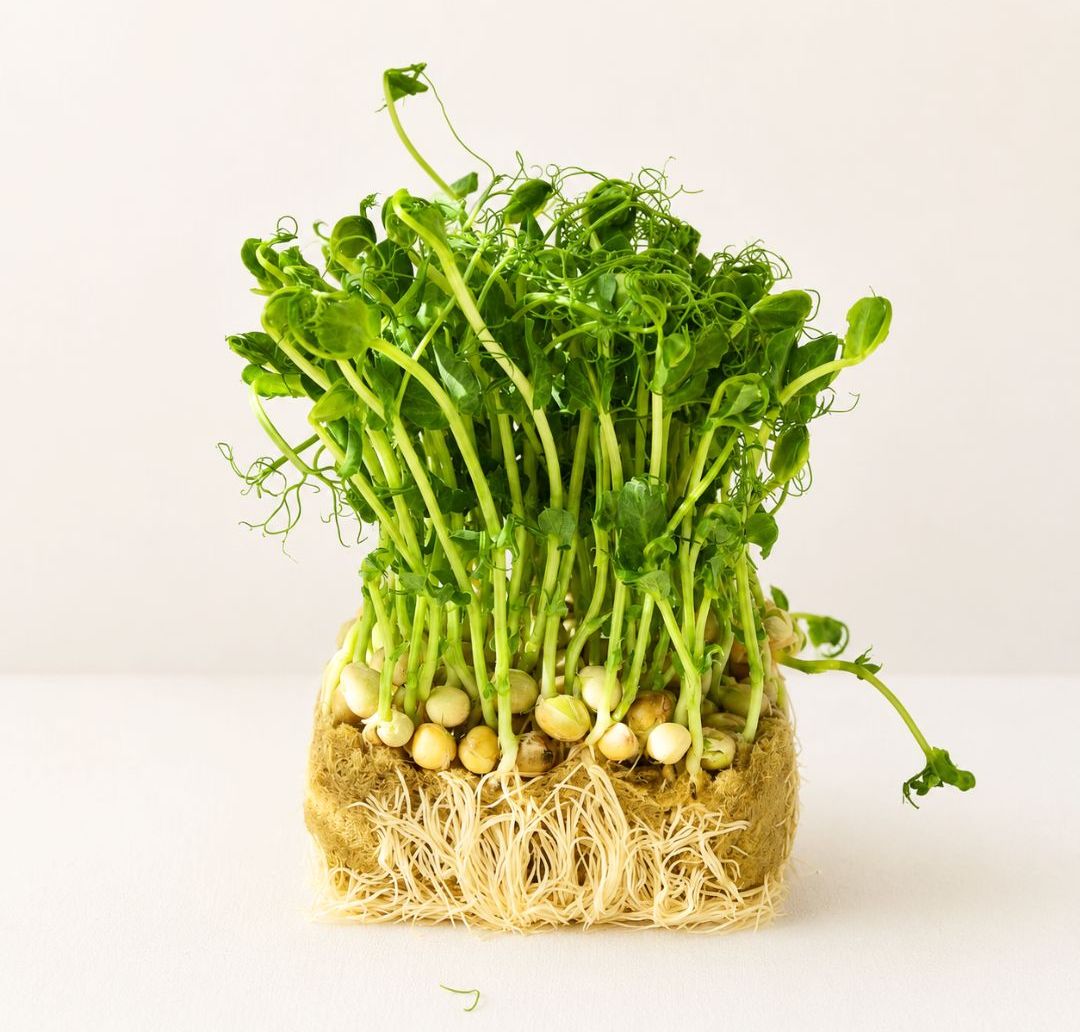
You don't need a backyard garden to grow nutrient-dense food—one of the simplest ways to reconnect with your food is by growing sprouts and microgreens right in your kitchen.
- Tiny Seeds, Big Nutrition — Germination naturally increases vitamin content and nutrient availability.
- Budget-Friendly Wellness — A small bag of seeds can produce weeks of fresh, living food.
- Broccoli Sprouts — Rich in sulforaphane, a plant compound studied for its role in supporting cellular defense and detoxification pathways. 🌿
- Enhanced Nutrient Absorption — Sprouting helps reduce antinutrients while improving mineral availability.
- Food Sovereignty at Home — Growing even a small portion of your own food creates a deeper connection to nourishment and self-sufficiency.
Home Sprouting 101! |
| | | |
| | |
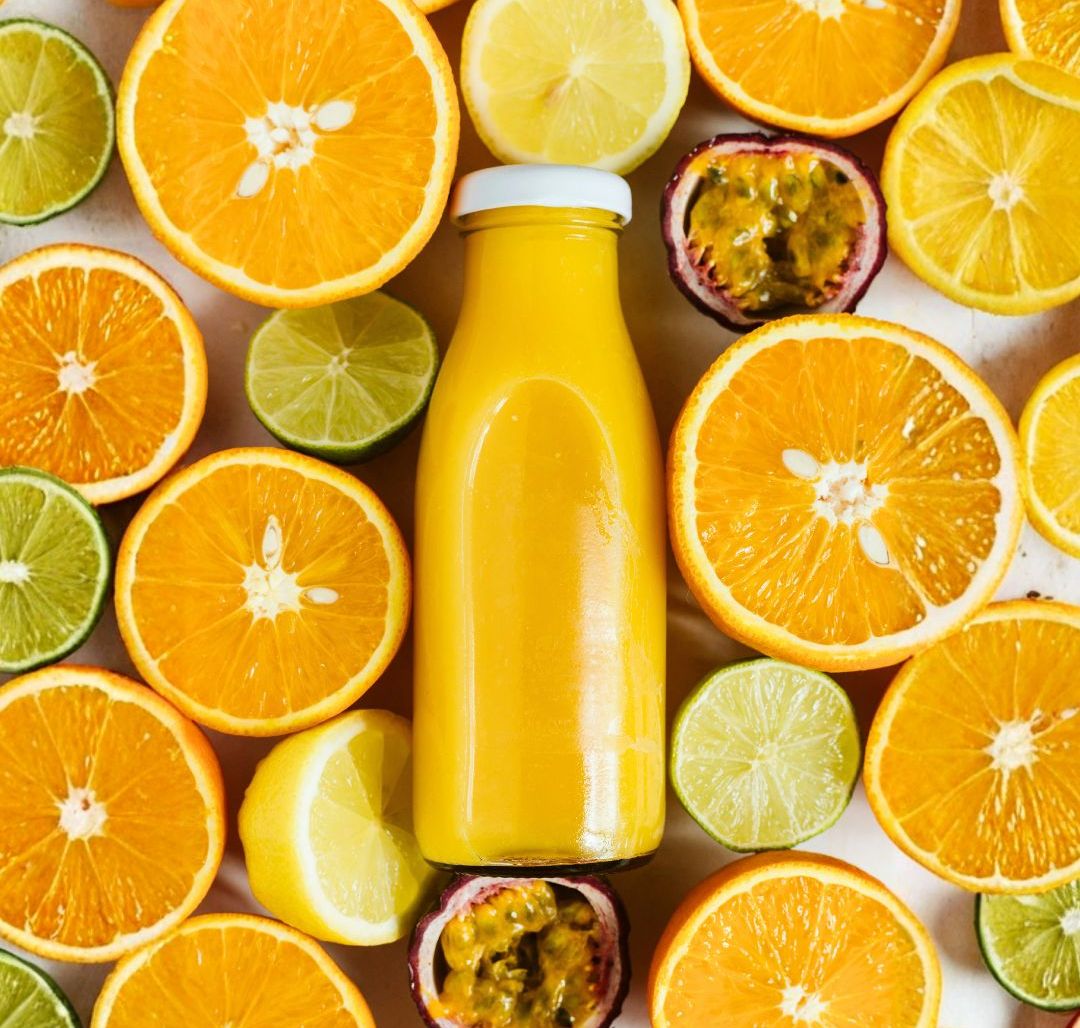
| 🍊 Eating with the Seasons
Deep within our cells are biological clocks that respond to light, temperature, activity, and food timing. Seasonal eating helps bring us back into alignment with those natural patterns.
- Eat What's in Season — Seasonal foods often provide the nutrients most needed during that time of year.
- Follow Natural Rhythms — Earlier meals and lighter evening eating align with traditional eating patterns.
- Support Local Food Systems — Local foods reconnect us to the land, seasons, and communities around us. 🥬
- Honor Seasonal Variety — Nature was never meant to provide the same foods every day of the year.
- Celebrate Food Traditions — Seasonal meals, harvests, and food rituals help reconnect nourishment with meaning.
🤍 Seasonal eating is not about restriction. It's about remembering.
Within our Doctor of Holistic Nutrition program, students explore the profound relationship between food, biology, seasonality, and human health—learning how nourishment can work with nature rather than against it. |
| | | |
|