|
| |
| |
| | |
| Dearest Visionary... 💫
Welcome back to our weekly edition of Friday Field Notes.
This week inside our Doctor of Botanical Medicine program, we're turning our attention to one of the most recognizable and quietly powerful plants in the herbal world: Echinacea. 🌸
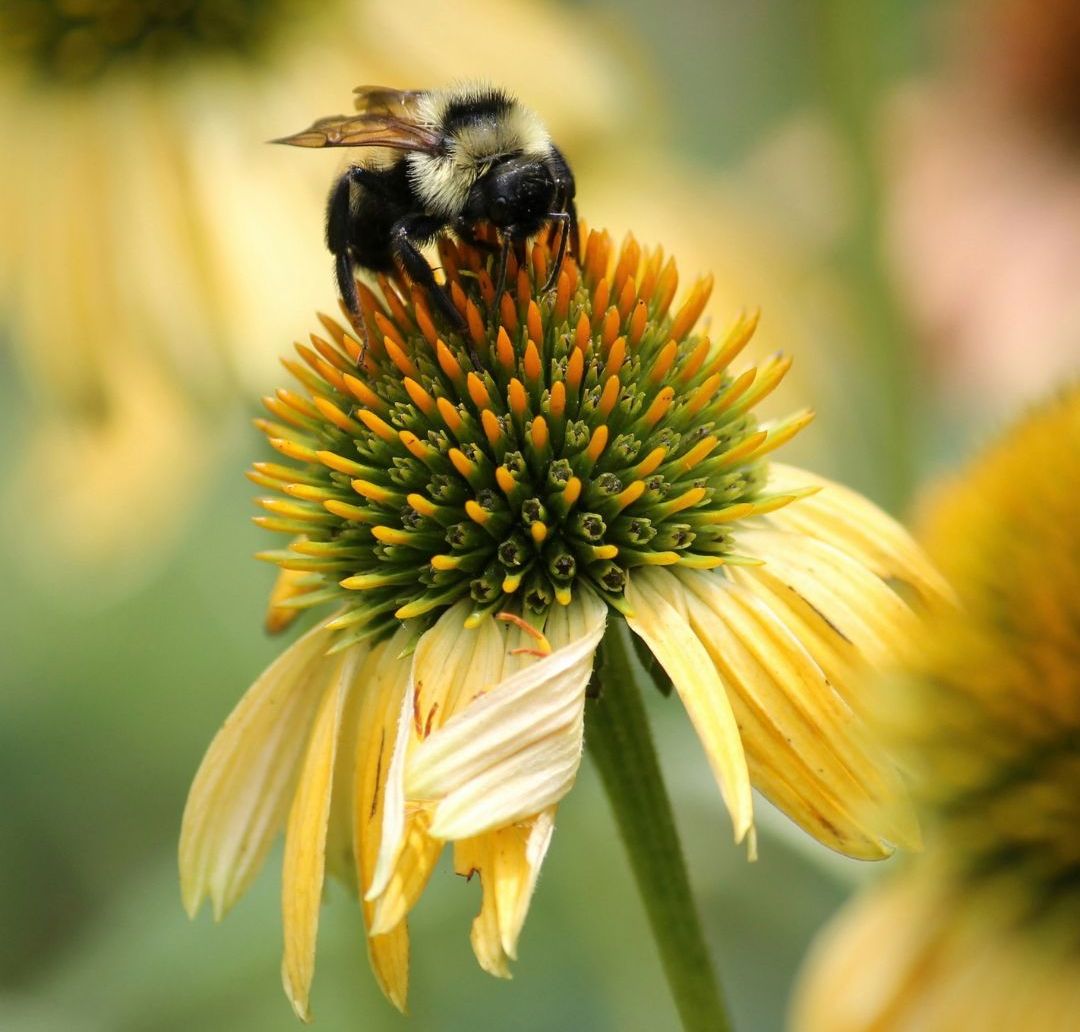
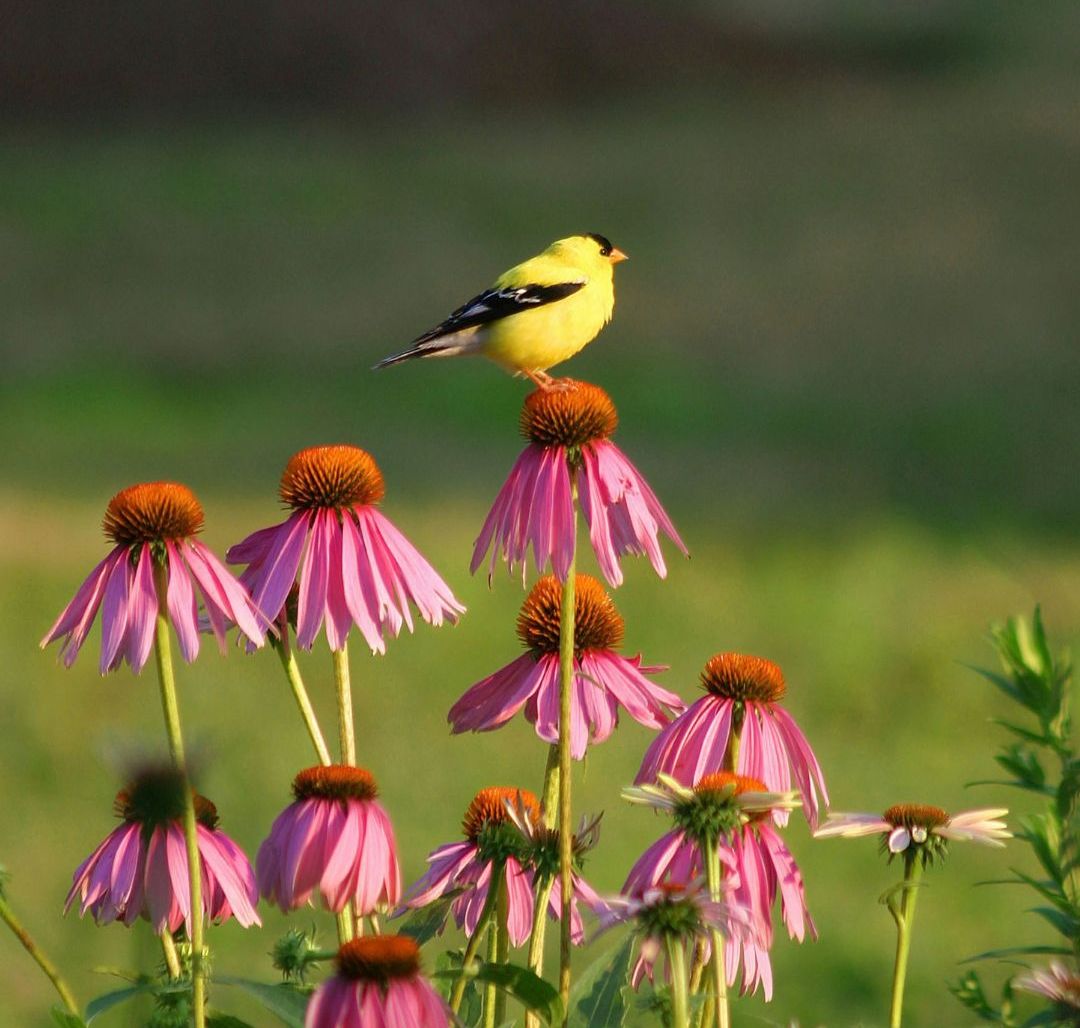
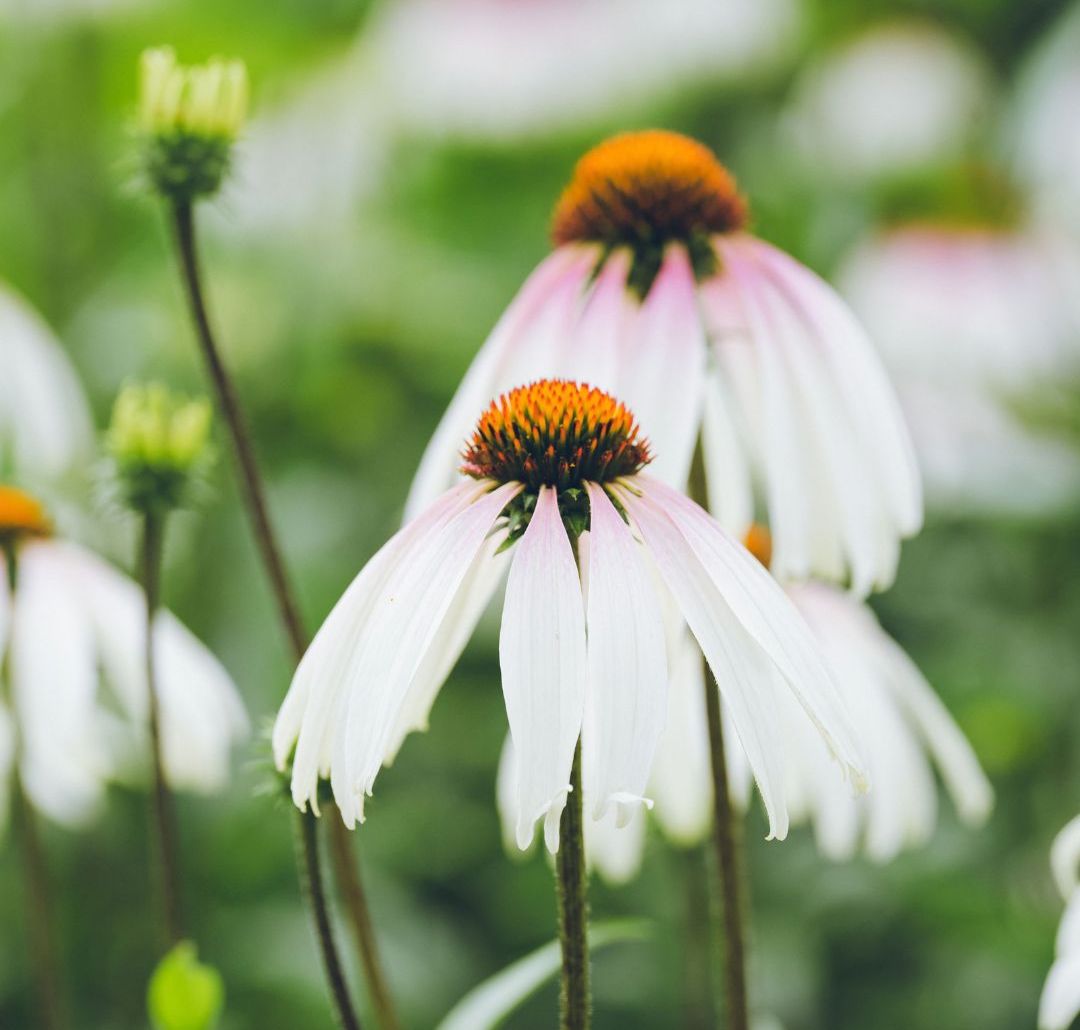
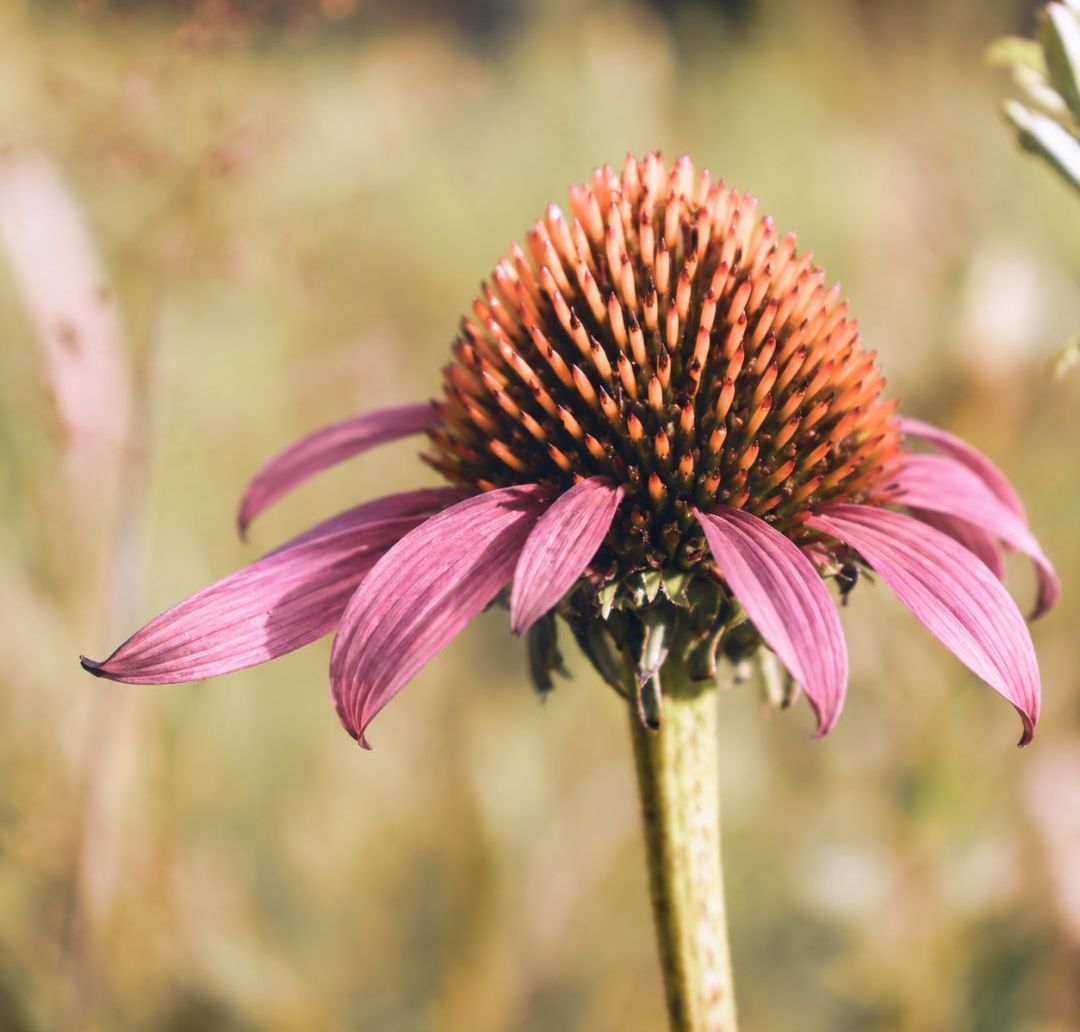
Echinacea purpurea, commonly known as purple coneflower, is one of the most widely used species of echinacea in herbal medicine. Echinacea angustifolia and Echinacea pallida are also used medicinally, with each species offering its own unique botanical profile.
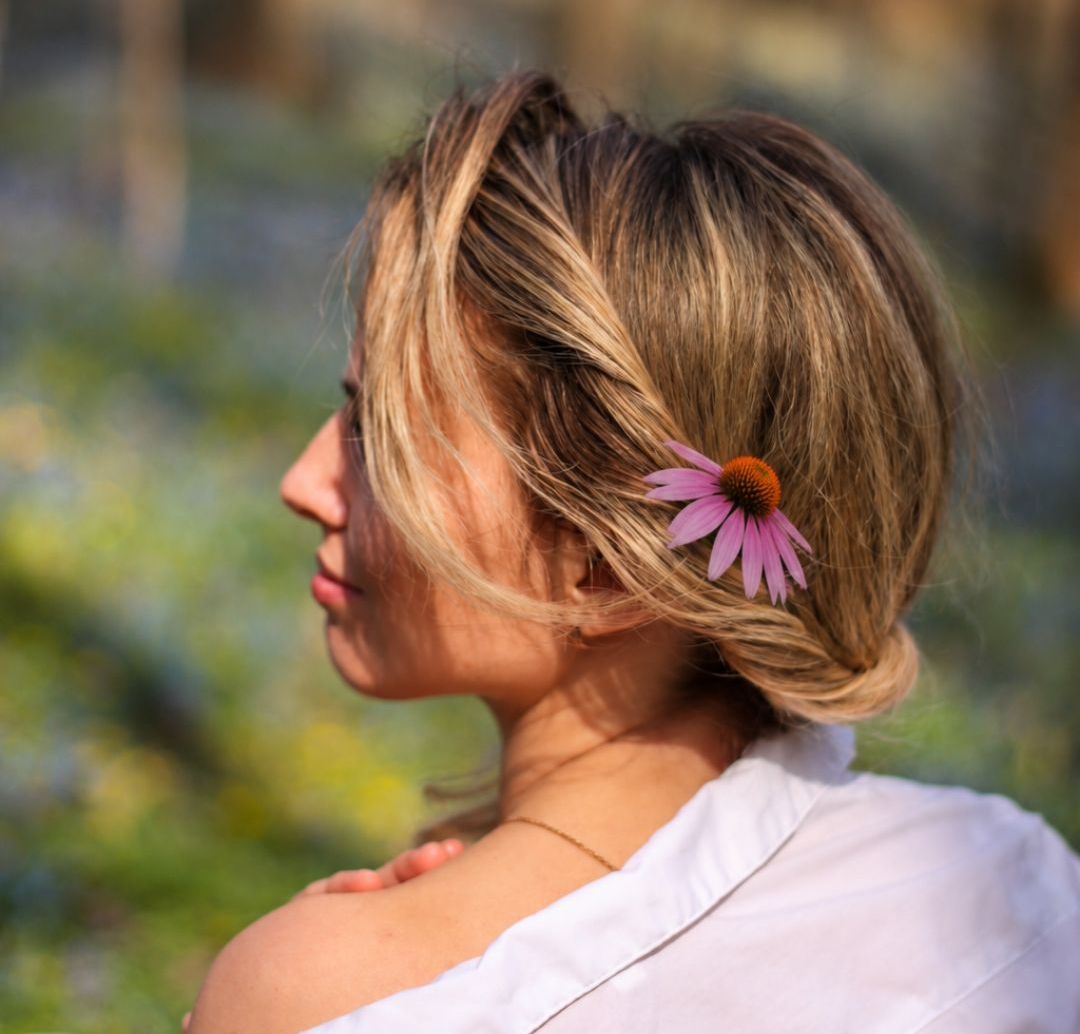
With its beautiful, droopy petals and wild bursts of pink, purple and copper, echinacea doesn't look like your typical medicinal plant. It looks almost unruly — like it refuses to sit up straight and behave. And maybe that's part of its charm.
Echinacea has been a longtime favorite of our Doctor of Botanical Medicine Founder. When her daughter was little, she always kept a tincture on hand. If a classmate got sick, her daughter got a couple of doses, just in case.
It's truly one of those plant remedies that gets passed down from one generation to the next. 🌿
And as the weather shifts and immune support becomes top of mind, echinacea felt like the natural plant to highlight.
Let's get into it. 👇 |
| | | |
| | |
| 🌸 Benefits of Echinacea
Echinacea has earned its place in the home apothecary for good reason.
Here are a few of its many traditional uses:
- Immune support — Supports the body’s natural defenses, making it a popular botanical during cold and flu season.
- Respiratory health — A well-known botanical for seasonal respiratory concerns.
- Viral activity — Research has explored echinacea’s effects on influenza viruses, suggesting certain preparations may interfere with viral replication and the spread of infection.
- Inflammation & recovery — Studied for its anti-inflammatory activity and role in supporting the body during recovery.
- Skin & wound care — Valued for soothing and supporting healthy skin and the healing process.
- When traveling — Easy to tuck into your bag, and you’ll be glad to have it when the first signs of illness appear.
|
| | | |
| | |
| 🌿 When Making Your Own
Making your own tincture is one of the simplest ways to turn a garden herb into something useful for your family.
The extraction method you choose matters, so here's what we suggest:
- Choose alcohol — An alcohol-based tincture is our preferred preparation for extracting echinacea's broader range of constituents.
- Skip the glycerin — Glycerin is a less natural stand-in for alcohol-based extraction and isn't our first choice.
- When alcohol isn't appropriate — Glycerin may be considered for someone who needs to avoid alcohol, particularly those in recovery from alcohol dependency.
- For children — An alcohol tincture can be added to a small amount of orange juice to make the flavor easier to take.
- Know your dose — Dosage varies by preparation, age, and individual circumstances, so do your own research.
Video — Make Your Own 🌱 |
| | | |
| | |
| 🛒 If You're Buying Instead of Making
Not everyone wants to make their own tinctures — and that's perfectly fine. When purchasing echinacea, a little attention to sourcing and ingredients can help you find a quality preparation.
- Local herbalist — Look for a reputable herbalist making fresh, small-batch tinctures with an alcohol base.
- Herb Pharm — A widely available option when you want a ready-made tincture.
- Medi Herb — Echinacea Premium is another great option and comes in tablet form. *A personal must-have for our Director of Marketing. 💫
- Read the label — Look for the specific species, plant parts, extraction method, additional ingredients, and whether the herb is cultivated or wild-harvested. Sourcing matters!
✨ Echinacea is a beautiful reminder that some of the most fascinating tools in botanical medicine aren't exotic or hard to find. They're growing in gardens, fields, and backyards all around us.
If you're drawn to this kind of plant-based, root-cause approach to wellness, explore the Doctor of Botanical Medicine program today. 🌿🩷 |
| | | |
|