|
| |
| |
| | |
| Dearest Visionary... 💫
Welcome back to our weekly edition of Friday Field Notes.
One of my favorite things about writing these weekly notes is shining a light on the remarkable medicinal properties hidden in what many people simply call "weeds." 🌿
Recently, we've explored familiar plants like dandelion, discovering that some of nature's greatest gifts are often growing quietly beneath our feet.
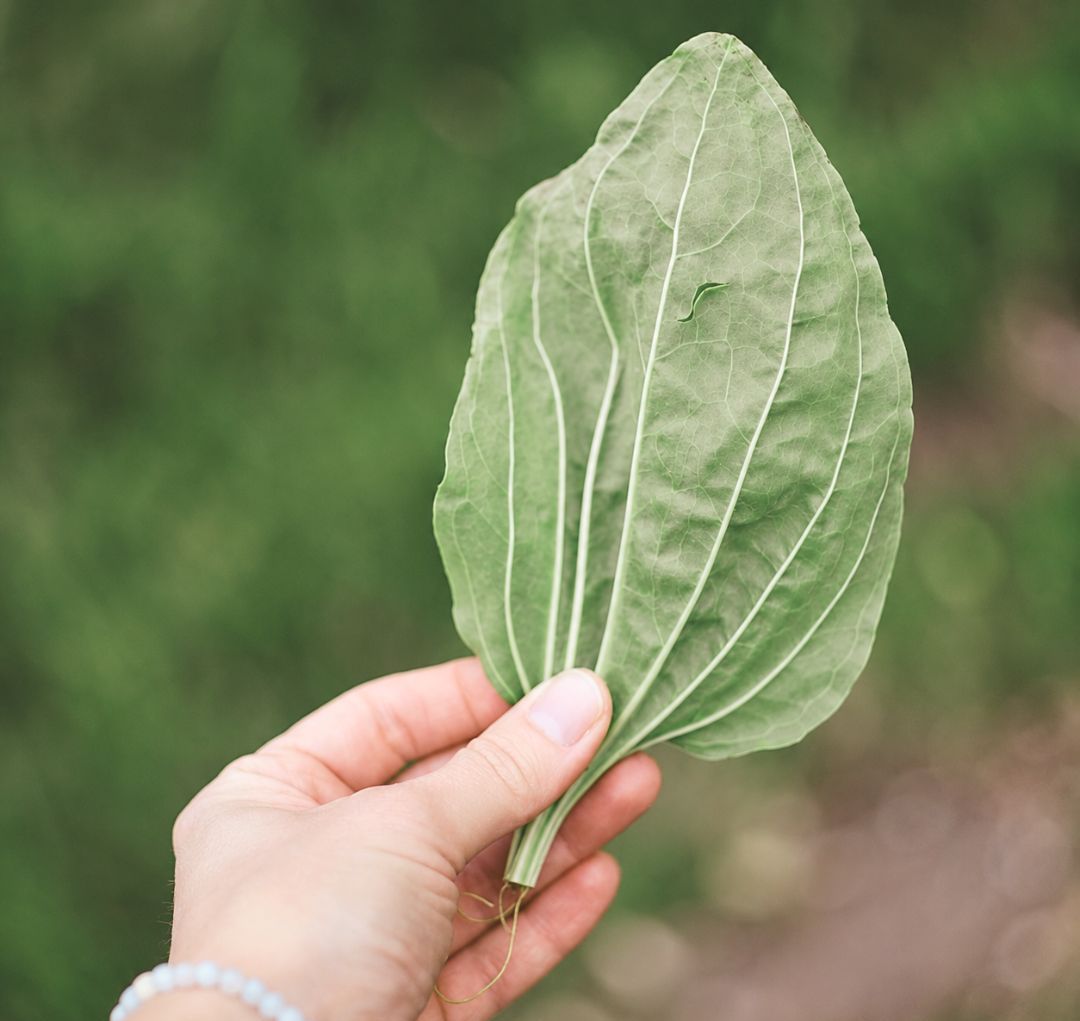
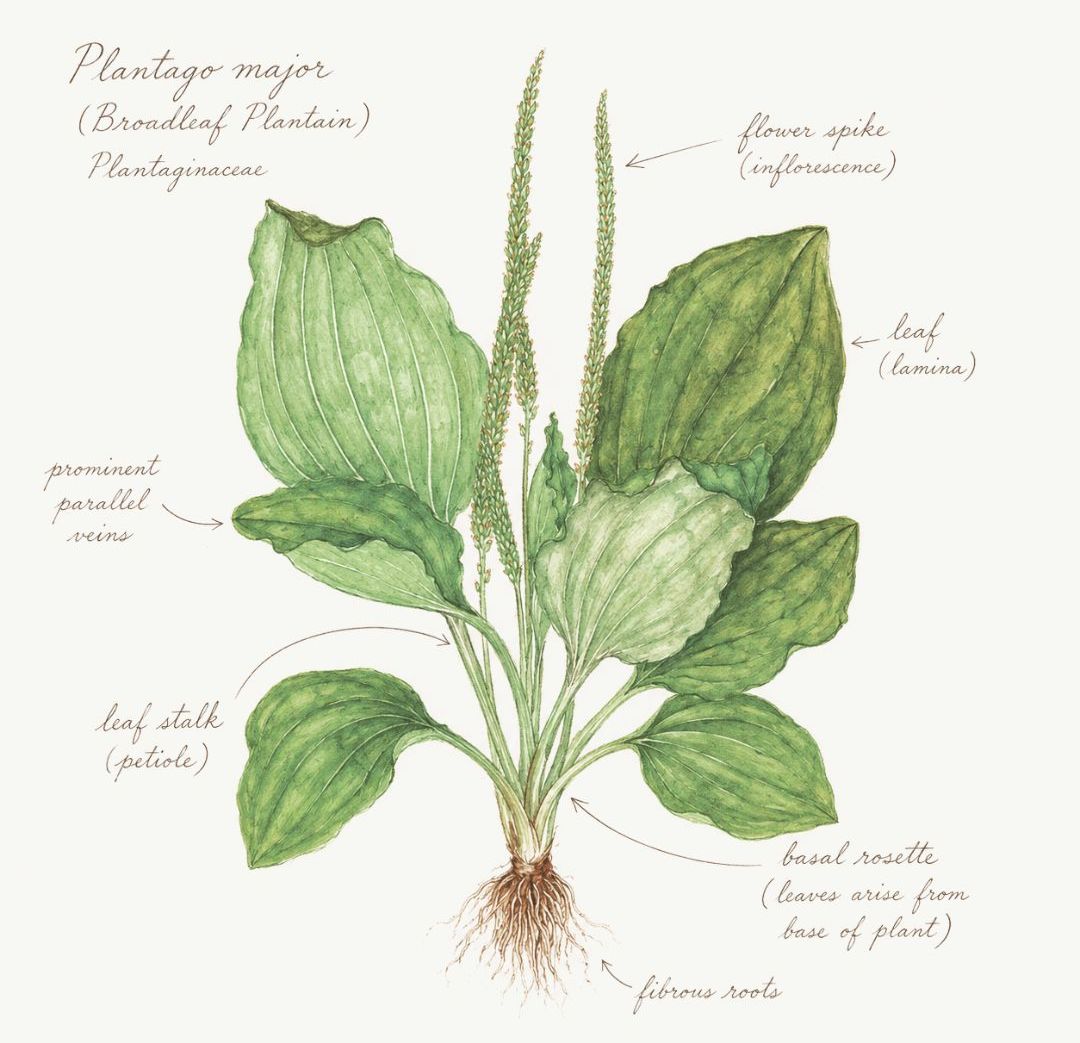
This week inside our Doctor of Botanical Medicine program, we turn our attention to another extraordinary backyard plant: Broadleaf Plantain (Plantago major).
Although the Plantago genus includes more than 200 species found throughout the world, only a handful have earned a long history of use in traditional herbal medicine. Among the most respected are — Broadleaf Plantain (Plantago major), Narrowleaf Plantain (Plantago lanceolata), and Blackseed Plantain (Plantago rugelii).
For centuries, herbalists have valued these resilient plants for their ability to support the skin, soothe irritation, and provide gentle botanical support for everyday wellness.
Perhaps the greatest lesson plantain teaches us is this: sometimes the most extraordinary remedies are hiding in the places we overlook every day.
Read on to explore three of the most well-known medicinal plantain species and their traditional herbal uses. ✨ |
| | | |
| | |
| 🌿 Three Remarkable Medicinal Plantains
While hundreds of plantain species exist, these three have become favorites among herbalists for their versatility, accessibility, and long history of traditional use.
- Broadleaf Plantain (Plantago major) — Perhaps the best-known medicinal species, traditionally used to support minor wounds, insect bites, skin irritation, and everyday first aid.
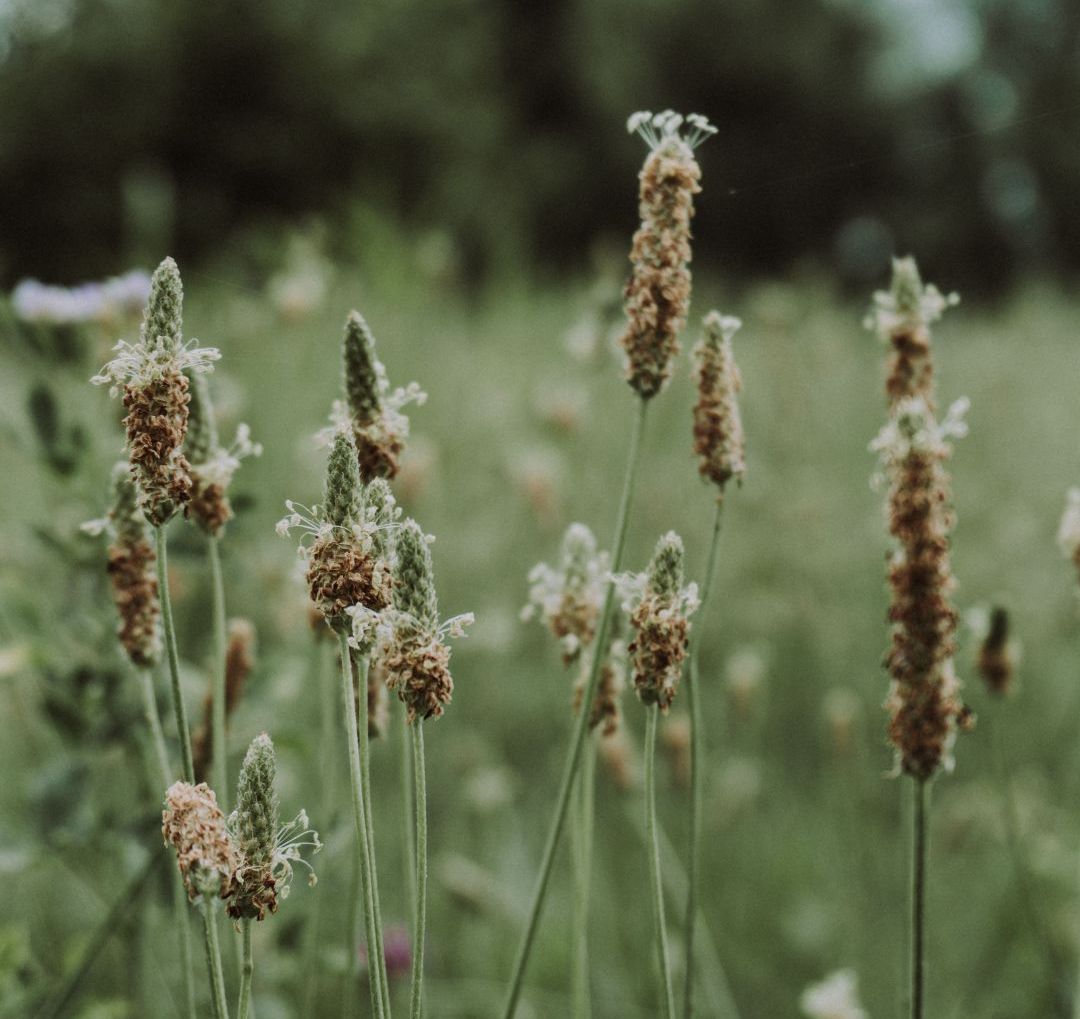
- Narrowleaf Plantain (Plantago lanceolata) — Recognized for its long, slender leaves and traditional use in supporting both healthy skin and respiratory wellness. 🌱
- Blackseed Plantain (Plantago rugelii) — Closely related to Broadleaf Plantain and often used similarly by herbalists for topical applications and gentle botanical support.
- Found Around the World — Plantain thrives in lawns, gardens, meadows, roadsides, and disturbed soils across much of the globe.
- A Humble Herbal Ally — Despite being labeled a weed, these resilient plants have served generations of traditional herbal practitioners.
|
| | | |
| | |
| 🍃 Traditional Uses of Plantain
Plantain has earned the nickname "nature's bandage" because of its remarkable history in traditional herbal medicine.
- Support Minor Cuts & Scrapes — Fresh leaf poultices have long been applied to support the skin's natural healing process.
- Soothe Bites & Stings — Traditionally used to calm irritation from insect bites, bee stings, and other minor skin discomforts. 🐝
- Calm Irritated Skin — Herbalists have historically used plantain for poison ivy, rashes, sun exposure, and dry, irritated skin.
- Support Respiratory Wellness — Narrowleaf Plantain has a long history of use in herbal teas for seasonal respiratory support. 🍵
- Gentle Botanical Wellness — Leaves have also been prepared as infused oils, salves, and poultices in traditional herbal practice.
Make your own plantain salve! |
| | | |
| | |
| 🌾 Looking Beyond the "Weeds"
One person's weed is another generation's medicine.
- Learn to Recognize Medicinal Plants — Many valuable herbs grow naturally in our own backyards and communities.
- Respect Botanical Diversity — With over 200 species worldwide, learning proper plant identification is an essential part of responsible herbalism.
- Honor Traditional Knowledge — Much of what we know about medicinal plants has been preserved through centuries of observation and practice.
- Steward Nature Wisely — Ethical harvesting helps protect wild plant populations while preserving these resources for future generations.
- Stay Curious — Sometimes the plants we overlook have the greatest stories to tell.
💚 Plantain reminds us that healing doesn't always arrive in rare or exotic forms. Sometimes it's growing quietly beneath our feet, waiting to be recognized.
Within our Doctor of Botanical Medicine program, students explore medicinal plants, botanical identification, preparation methods, and evidence-informed applications—discovering how time-honored herbalism continues to inspire modern natural health. |
| | | |
|